Conway, SC · Open 24/7
Brakes replaced in your driveway.
Pads, rotors, calipers, hoses and lines, done where the car is parked. Every brake job ends with a road test, because a brake job you have not driven is not finished.
The noises, and what each one is telling you
- A light squeal that stops when you brake harder. That is usually the wear indicator, a small metal tab designed to sing when the pad gets thin. It is a warning, not an emergency. You have time, but not a lot of it.
- A deep grind you can feel in the pedal. The friction material is gone and steel is riding on steel. This one gets expensive fast, because every mile turns a pad job into a pad and rotor job.
- The pedal pulses under your foot. Warped or unevenly worn rotors. Common on anything that tows, or sits for long stretches in coastal air.
- The pedal sinks slowly while you hold it. That is a hydraulic leak, a bad master cylinder, or a failing caliper seal. Do not drive it. Call.
- The car pulls to one side when you stop. Usually a seized caliper or a collapsed brake hose on the opposite side.
Salt air is hard on brakes out here
Living this close to the water shortens the life of everything on a brake system that is not the pad itself. Caliper slide pins seize, hardware clips rust into the bracket, and brake lines corrode from the outside in.
That is why we do not just slap pads in. Slide pins get cleaned and greased, hardware gets replaced rather than reused, and lines get looked at while the wheel is off. A pad job that ignores a seized caliper wears the new pads out crooked inside a year, and you pay twice.
What a driveway brake job looks like
The van carries the jack, the stands, the tools and the common pads and rotors, so most brake jobs get finished in one visit without your car ever leaving the house.
You get told what it needs and what it costs before anything comes apart. Then the wheels come off, the old parts come out, everything gets cleaned and greased, the new parts go on, and the brakes get bedded in on a road test before we hand you the keys.
Our work
Jobs we have actually done.
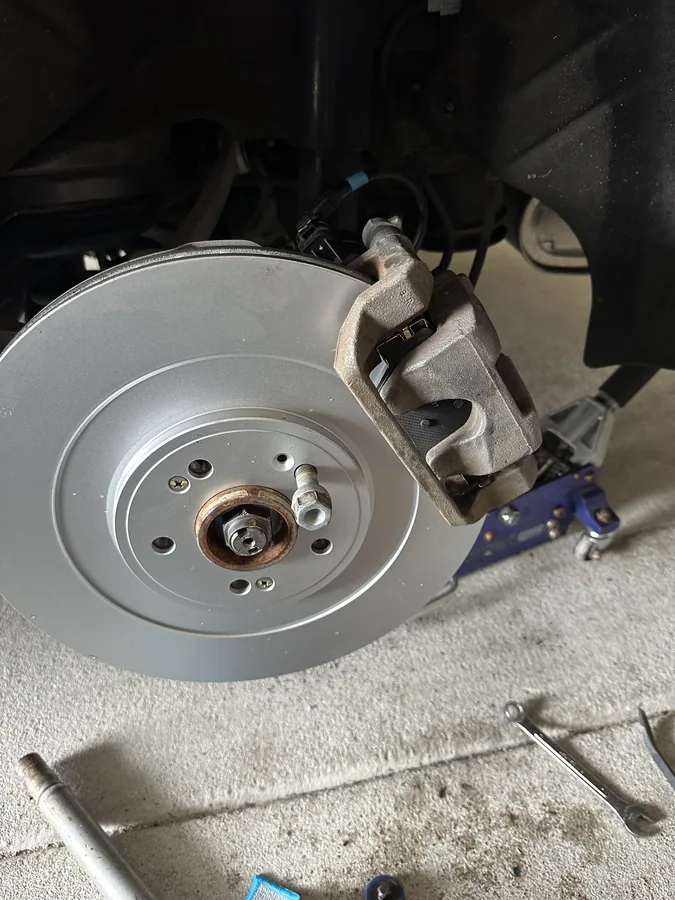
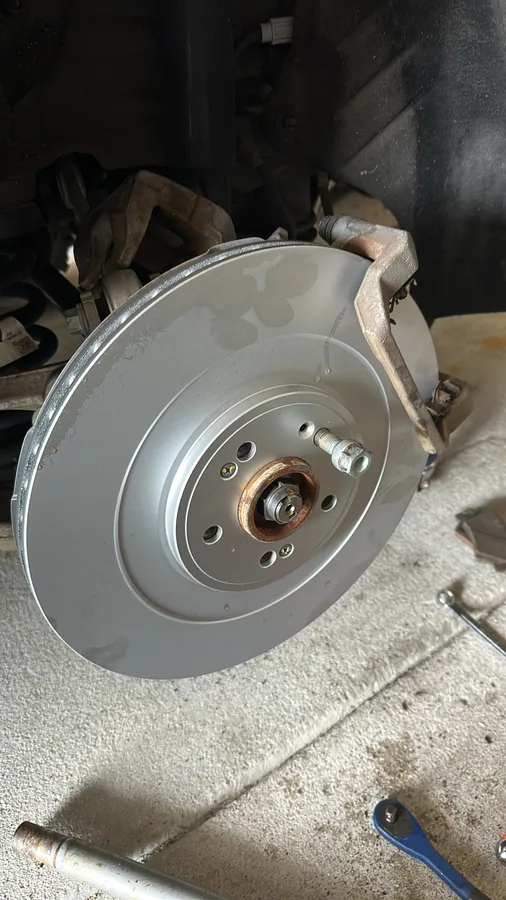
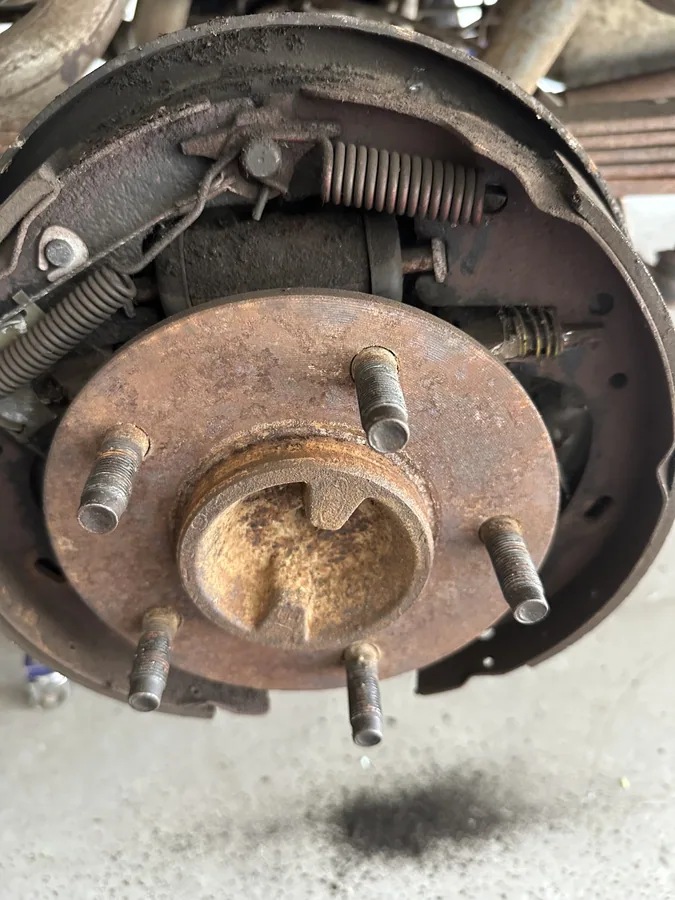
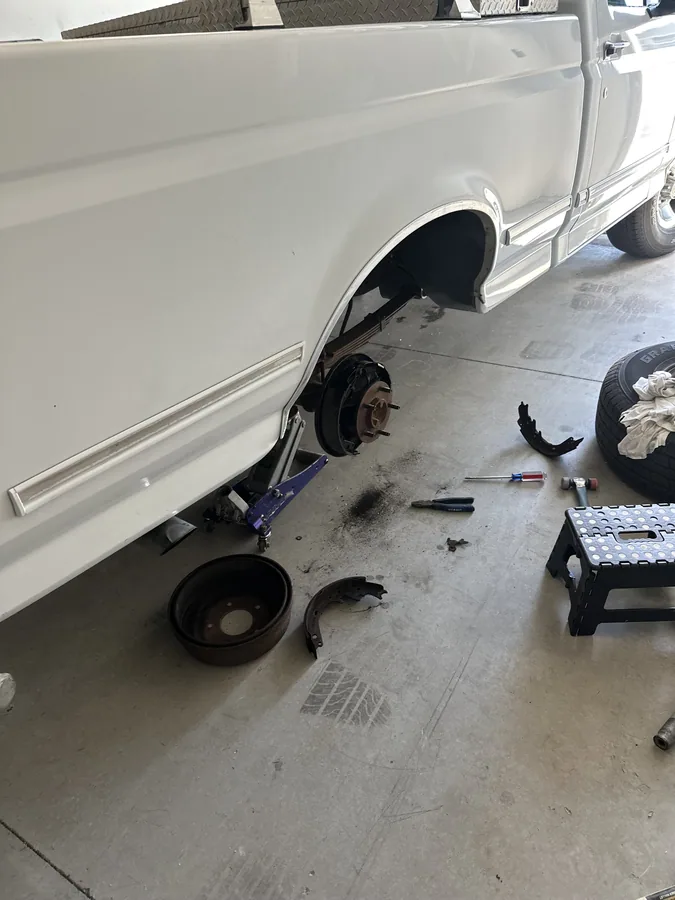
Brake jobs done in customer driveways across the Grand Strand.
Get a quote
Free quote, no pressure.
Tell us what it is doing and where it is parked. You get a clear price on the repair before any wrench turns.
Where we go
We bring this to you.
Brake Repair is done at your home, your work, or wherever the vehicle is sitting, right across the Grand Strand.
More of what we do
Other services.
Check Engine Diagnostics
A code is a clue, not an answer. We come to your driveway, pull the codes, test the parts the code...
Read more →Oil & Maintenance
Oil, filters, fluids, belts and cooling system service handled in your driveway or at your job site,...
Read more →Batteries & Charging
Batteries, alternators and starters tested and replaced wherever the car decided to quit on you. We test...
Read more →Suspension & Steering
Struts, shocks, ball joints, tie rods, sway bar links and wheel bearings, replaced where the car sits,...
Read more →Roadside & Emergency
Open 24 hours a day, 7 days a week. If it quit on you on 501, in a parking lot, or in your own driveway...
Read more →Common questions